





OUR THREATENED SPECIES PROJECT


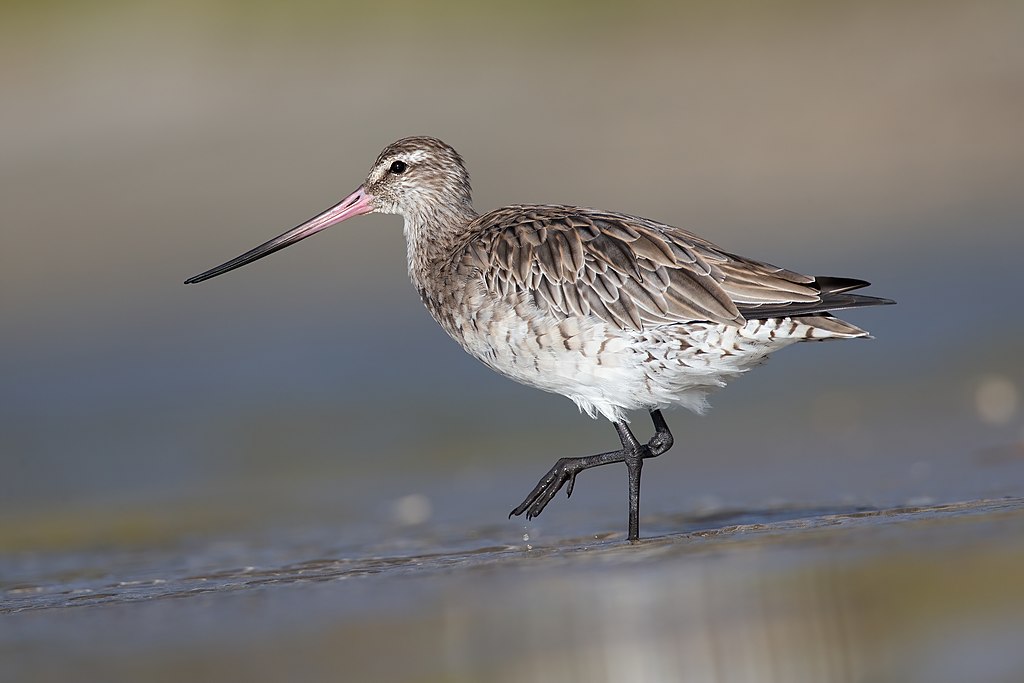
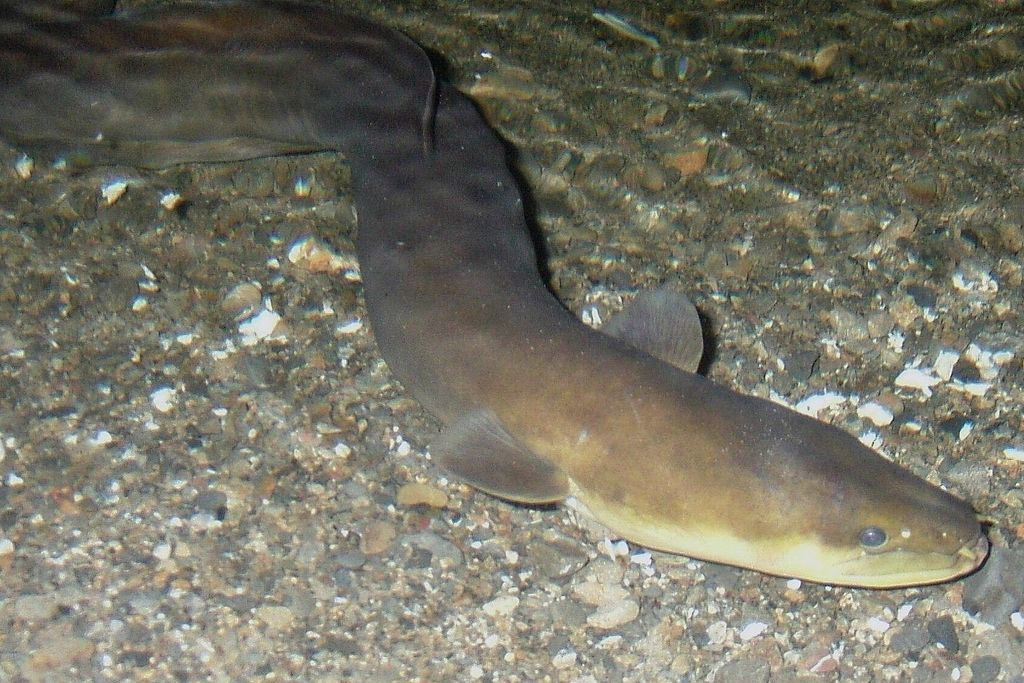
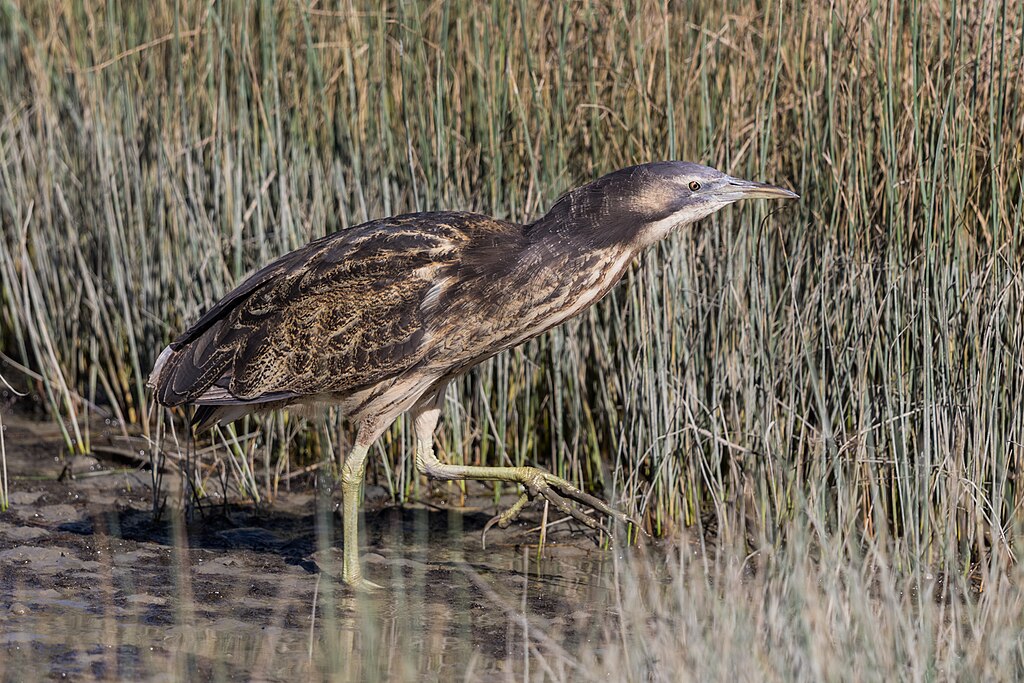
Pest Free Howick received funding from Auckland Zoo’s Threatened Species Grant to learn more about, and protect, threatened species living in the Howick Ward. Our three focus species were the Kuaka (Bar-tailed godwit), Tuna (Longfin eel), and Matuku-hūrepo (Australasian bittern). All three of these species can be found in the Mangemangeroa Valley. These species and this location all hold special significance to our local iwi, Ngāi Tai ki Tāmaki.
Threatened species in our area
Other rare species
By protecting one species, we can benefit others. Other threatened species in Howick Ward include:
Our actions
Kuaka/Bar-tailed godwit:
Aside from the occasional shellfish gatherer and horse rider, the tidal mudflats where the kuaka feed (extending Northwards from Clifton Road) are seldom disturbed by people. Nonetheless, it is important that locals understand and appreciate the special birds that arrive to forage at this location each year. For the past two years Pest Free Howick has taken two groups of Cockle Bay Primary students to observe and learn about the kuaka. Our kuaka days have now become an annual event attended by students and parents. Many of these students had previously participated in our cadetship programme.
In December 2023, students were taken to Clifton Road to observe kuaka and the other shorebirds that frequent the area – these include the northern New Zealand dotterel, variable oystercatcher, and pied stilt. Students also conducted Marine Metre Squared surveys to learn more about the diet of the kuaka (these surveys were conducted near the shoreline to avoid disturbing foraging birds).
In December 2024, we conducted a second trip, this time across the channel at Shelly Beach. Students learned about flora and fauna of the area and conducted five-minute bird surveys. Additionally, students undertook Marine Metre Squared surveys along the shoreline. Students were treated to a visit from three dotterels which had flown over the water from Clifton Road. They also saw godwits near the shoreline as they walked across Shelly Beach at low tide to finish their day at Cockle Bay Beach.
We hope to involve more students, parents, and teachers from other local schools in the kuaka days that we will be hosting over the coming years.
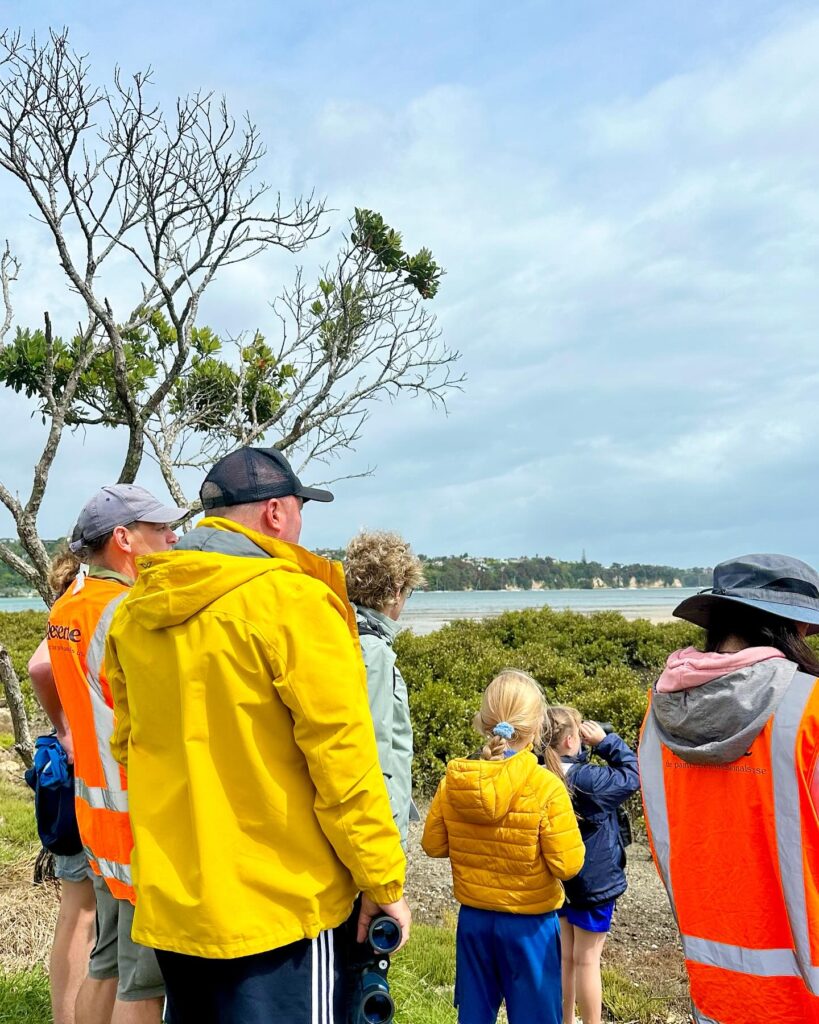
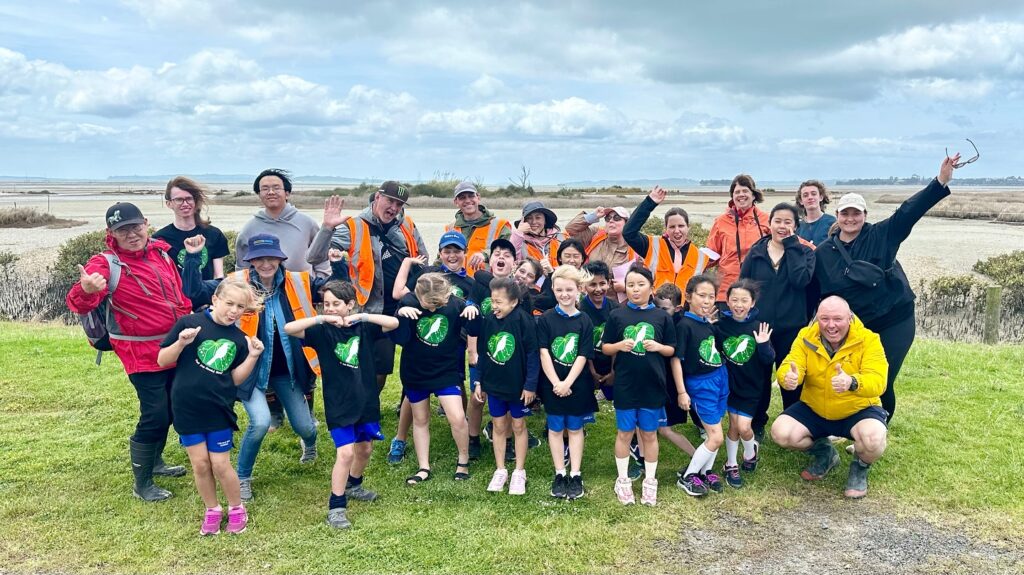
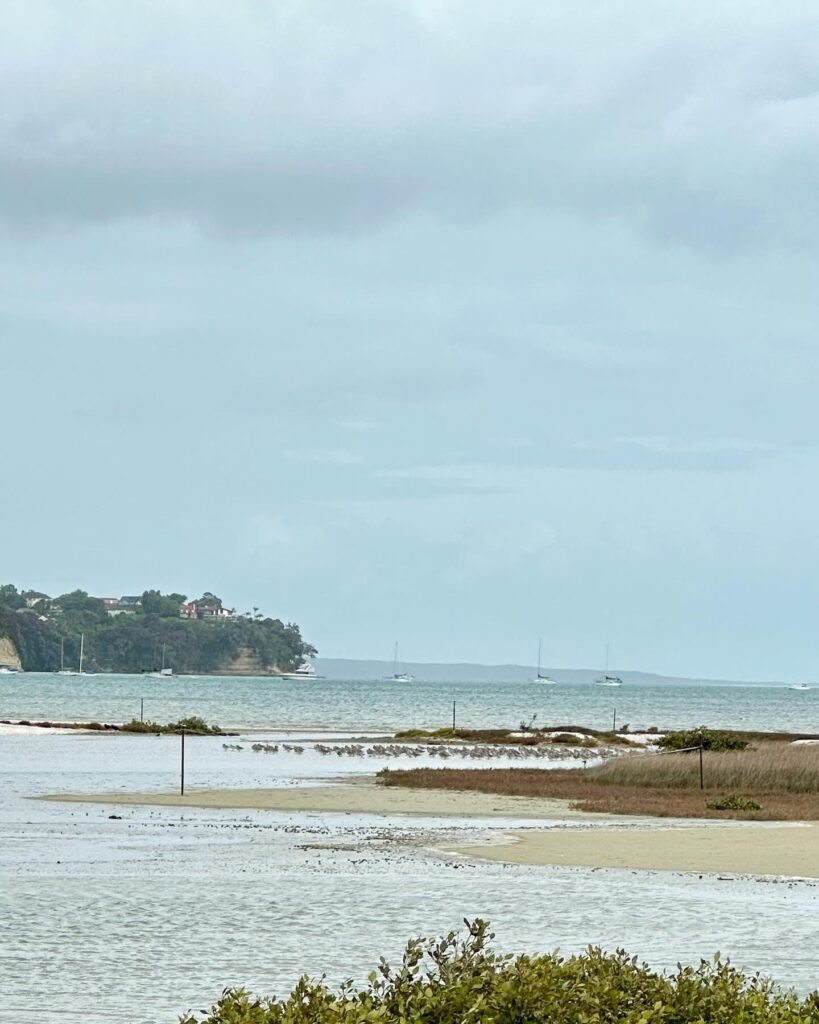
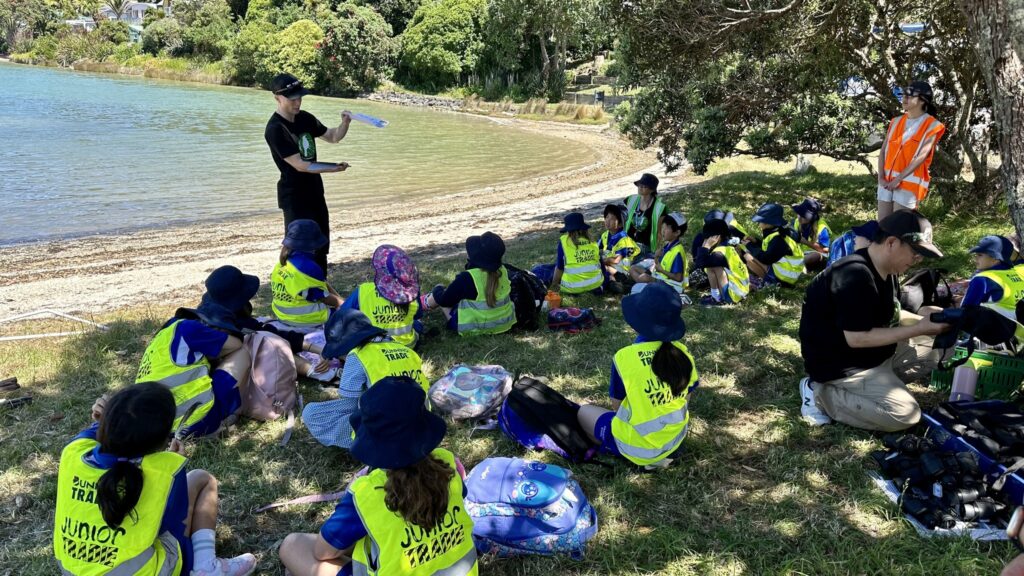
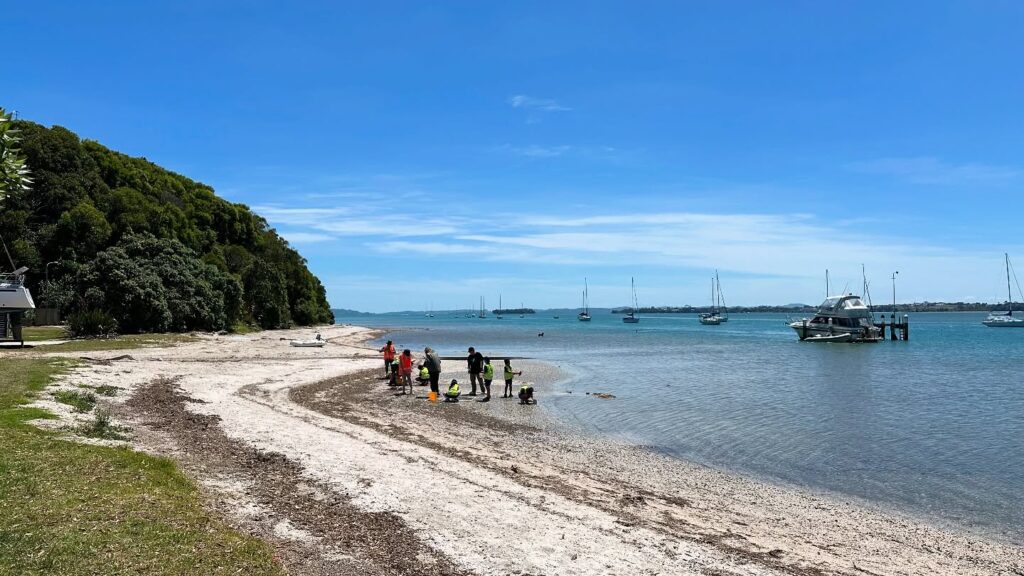
FROM LEFT TO RIGHT: Observing kuaka through binoculars at Clifton Road, December 2023; Students from Cockle Bay Primary at Clifton Road, December 2023; Kuaka waiting for the tide to go out just little bit more, having just arrived from their Manukau Harbour feeding grounds; Students from Cockle Bay Primary learning about flora and fauna; Students from Cockle Bay Primary conducting Marine Metre Squared surveys at Shelly Beach, December 2024.
Tuna/Longfin eel:
We undertook eDNA sampling in the Mangemangeroa creek in October 2023 to learn more about longfin eels and the other species they share the area with. eDNA (short for ‘environmental DNA’) are little strands of DNA that get left behind by all creatures. For example, if you were to walk through a stream, you might leave behind eDNA from small flakes of skin that drift away in the water.
Our eDNA samples were collected by a group of primary school students who had participated in our cadetship programmes earlier that year. Over the course of a guided morning walk through Mangemangeroa Reserve, students and their parents spent the morning learning about the flora and fauna of the area, including the threatened species that can be found there.
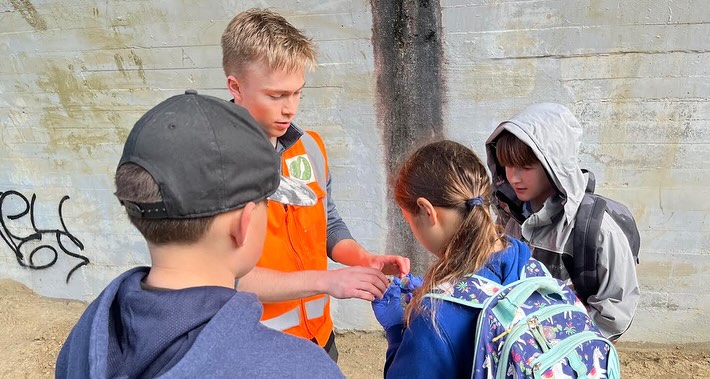
The water samples that we filtered through special eDNA syringes were sent to Wilderlab in Wellington for testing. On the day, we were only able to collect one sample, however, the Pest Free Howick team returned to collect two more samples in December and February. This allowed us to paint a better picture of the creatures living in and around the estuary.
A plethora of species were detected in the eDNA tests. These ranged from freshwater fish like the common bully, estuarine triplefin, banded kokopu, and īnanga (whitebait), to kereru (New Zealand pigeon), kotare (kingfisher), sheep, and even dogs! The most exciting result was confirmation of both longfin and shortfin eels living in the estuary. These results also showed that longfin eels are relatively easy to find in the Mangemangeroa Creek – as indicated by their presence in all three tests.
Our next steps over the coming months are to survey the habitat used by longfin eels in the Mangemangeroa Valley.
The full results of our eDNA testing can be viewed here.
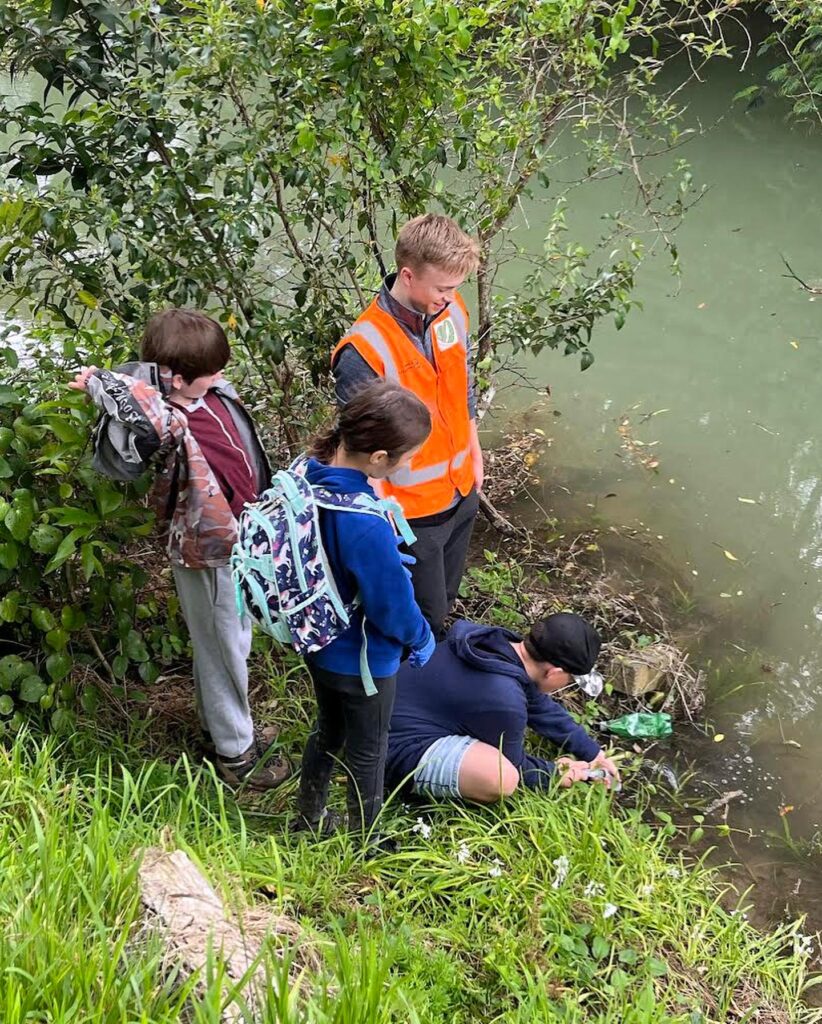
LEFT: Testing for eDNA in Mangemangeroa Creek.
ABOVE: Teaching students how to use an eDNA syringe and filter.
Matuku-hūrepo/Australasian bittern:
Bitterns are notoriously cryptic. Confirming their presence in Mangemangeroa Reserve was always going to be a difficult task. To investigate further, the students that joined us in October 2023 also assisted with the set-up of AR4 recorders. These audio recorders were placed in areas with ideal bittern habitat. The AR4 recorders were left out over the course of three nights with the aim of recording the booming calls of bittern males during their breeding season.
While our audio recorders did not pick up any bittern calls, work is currently underway to establish additional protection measures for any bitterns that were not detected and may still frequent the Mangemangeroa creek.
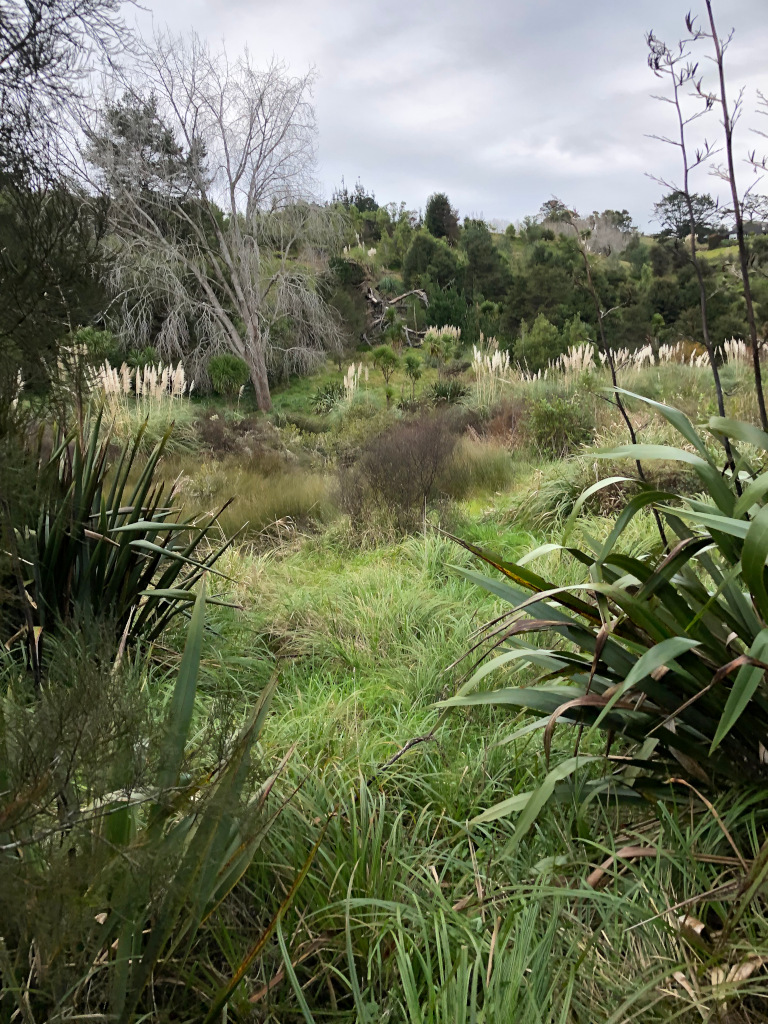
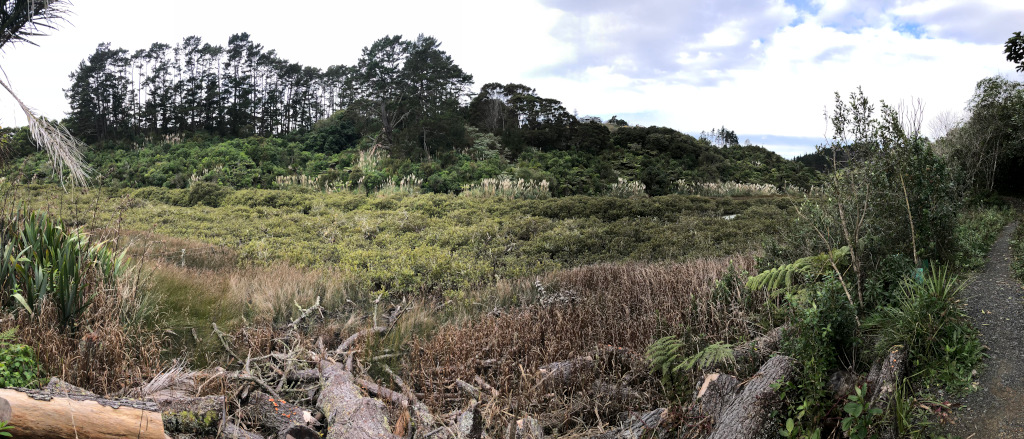
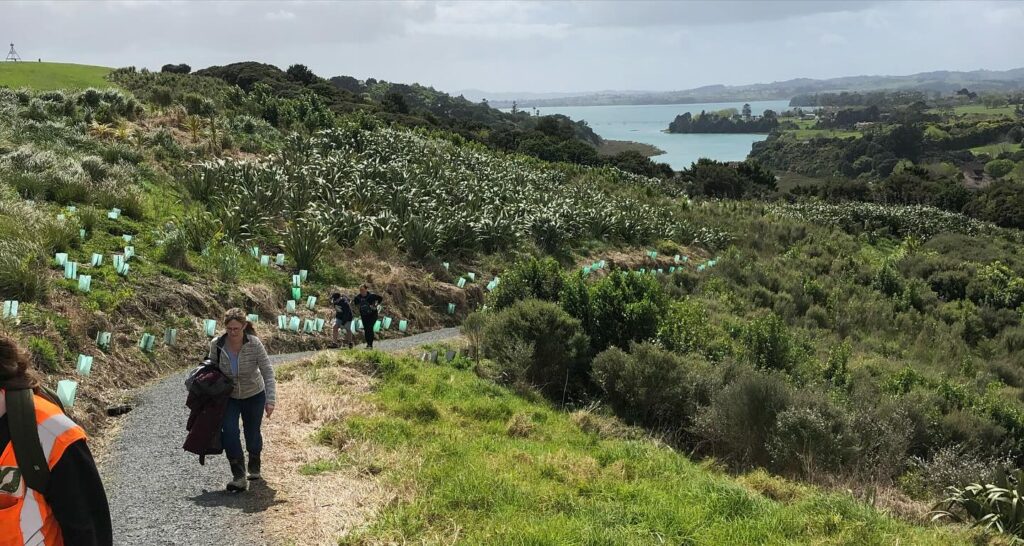
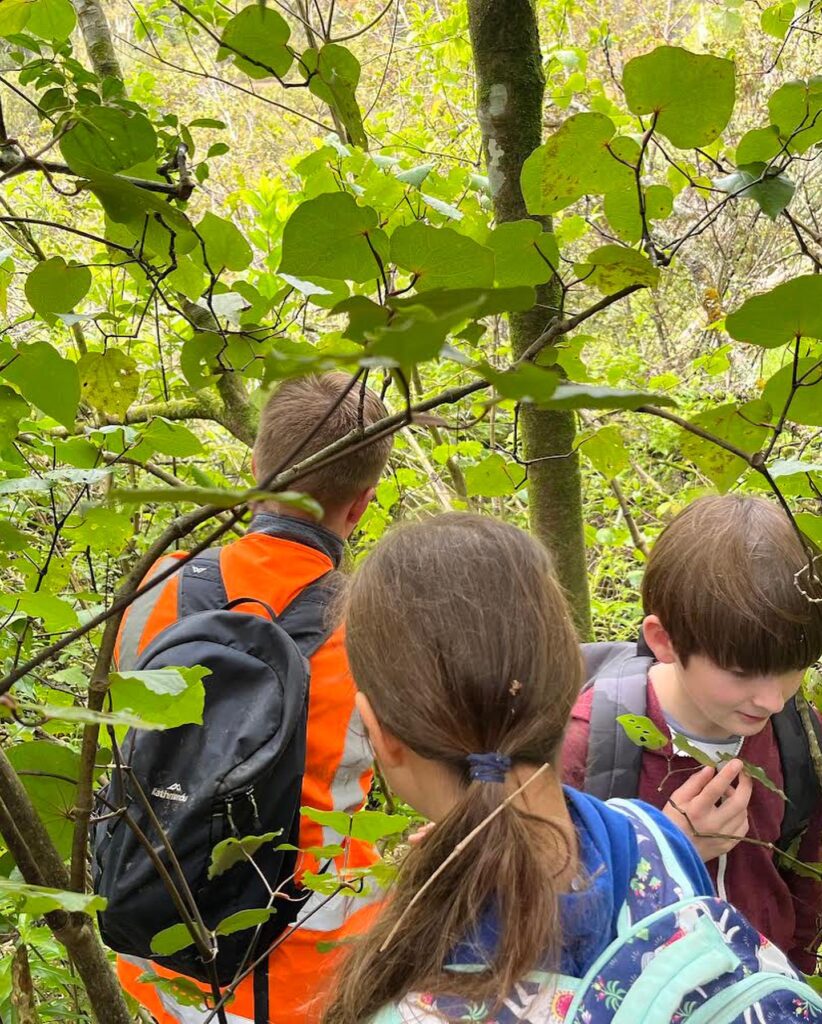
FROM LEFT TO RIGHT: Looking southwards, down the Mangemangeroa Creek; Finishing up for the day in Mangemangeroa Reserve; Installing an AR4 recorder in Mangemangeroa
Reserve.
© Copyright 2024 - PEST FREE HOWICK WARD
A Howick Local Board funded project